Map a normal day
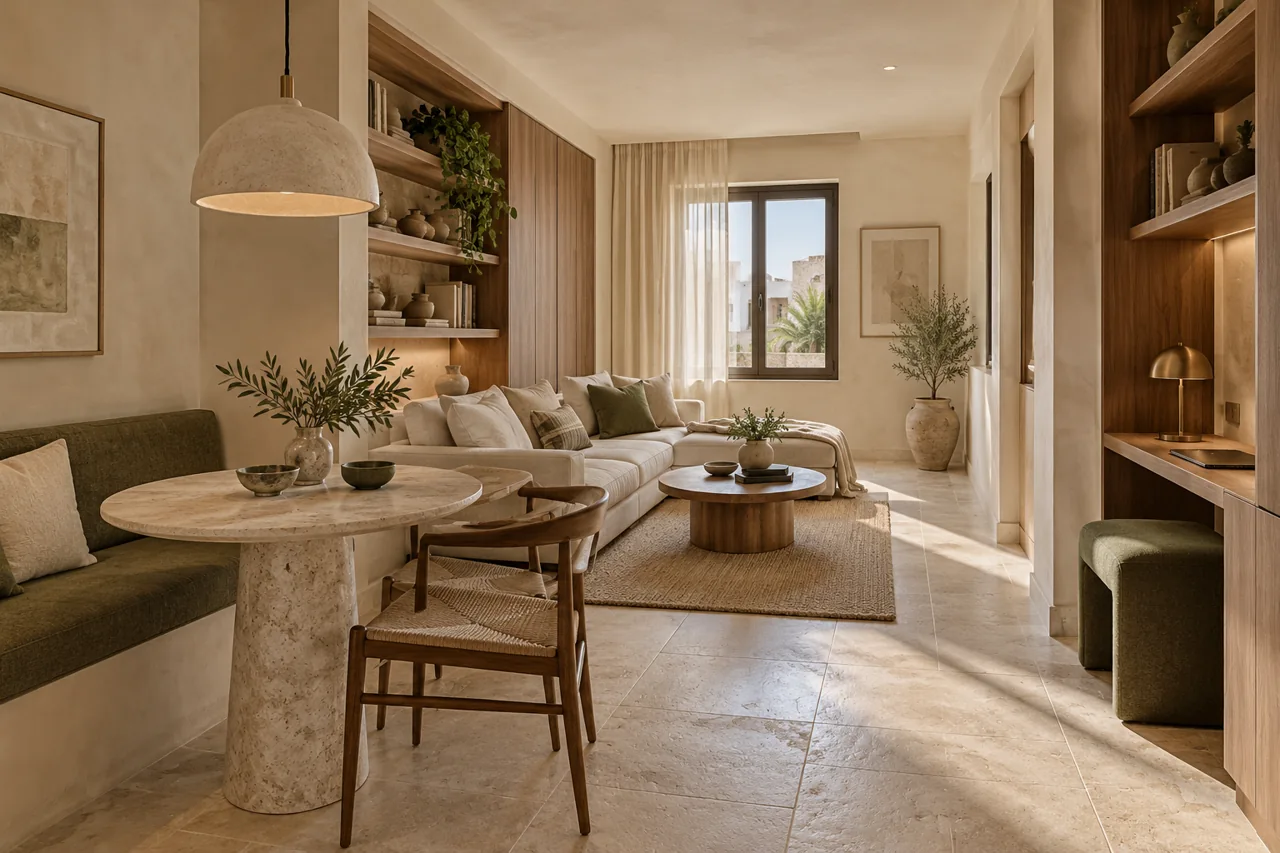
List the activities the room must support: dining, work, conversation, guests or exercise. Rank them rather than giving every activity a permanent furniture zone. In a combined living and dining room, decide how the table will be used when nobody is eating.
Check the full footprint
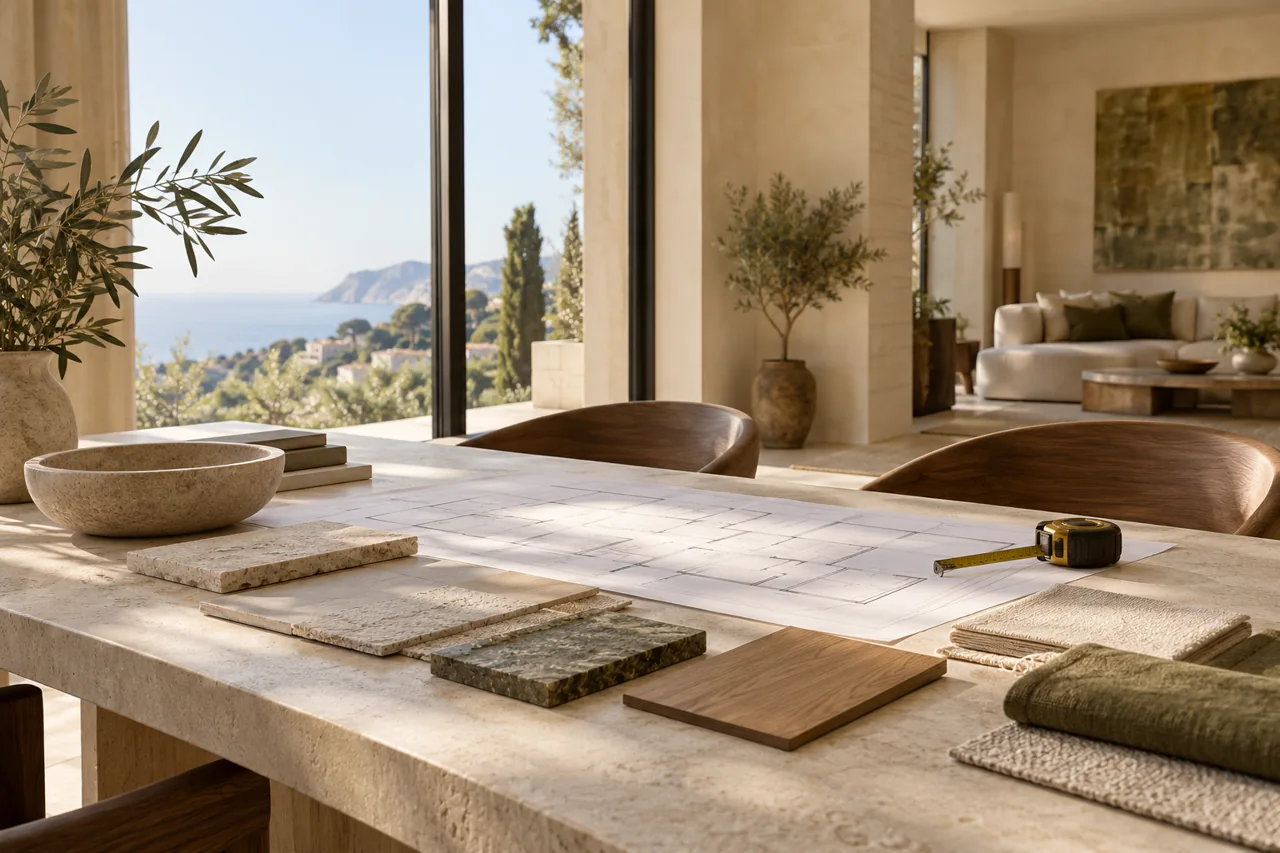
Mark furniture dimensions and opening areas on a simple plan. Include the space needed to pull out chairs, open drawers and use a sofa-bed. Check the delivery route too. A piece that fits against a wall may still prevent the room from working.
Choose one useful double function
Consider movable pieces or furniture with more than one use. For your own brief, name the second function you actually need. A bench with storage is useful only if its storage is accessible and the seat works in the intended position.
Test before committing
Use removable floor markers or a paper plan to compare two arrangements. Imagine carrying shopping through the room and using it with guests. Record the compromises. Send the layout, photographs and retained furniture dimensions when asking AZORNOVA about a design proposal.
Frequently asked questions
Should all furniture be small?
Choose dimensions around the room’s activities. Several tiny pieces can still create clutter or obstruct movement; compare complete layouts.
Can I keep my current sofa?
Include its dimensions and photos in the brief. Plan around it first, then assess whether the resulting arrangement meets your priorities.